
Harnessing Shatavari: May's Essential Herbal Ally for Women's Wellness


Shatavari is an Ayurvedic herb whose name can be loosely translated to mean “a thousand husbands”, indicating its ability to improve female reproductive health. Since May is National Women's Health month, and Shatavari is an herb that is specific for women’s reproductive health, it’s our herbal ally for May.
Shatavari - May's Herbal Ally

Botanical Information
Shatavari (Asparagus racemosus) is a climbing, thorny perennial in the asparagus family, native to India, Africa, and Australia. It’s known for its extensive, tuberous roots that are used in Ayurveda for women's health, vitality, and as an adaptogen. Botanically, Shatavari features delicate, needle-like leaves, tiny white flowers, and deep, fleshy roots that store its powerful phytochemicals, primarily steroidal saponins (shatavarins).
Due to excessive harvesting as well as environmental destruction, Shatavari is classified as an endangered plant. However, there are many reputable suppliers who now source Shatavari from organic, regenerative farms or wild-simulated agroforestry plots rather than wild-harvesting. So, look for Shatavari products from companies that explicitly state that they use sustainably grown or organic Shatavari. This ensures that it's cultivated and not stripped from the wild. If you live in the United States, you can purchase organic or sustainably grown Shatavari from Banyan Botanicals or Mountain Rose Herbs.
Shatavari’s History
Shatavari is an ancient Ayurvedic herb mentioned in ancient Sanskrit texts like the Rig Veda, Charaka Samhita, and Atharva Veda. It was known as the "Queen of Herbs" that has been used for millennia as a rasayana or rejuvenative tonic, especially for women's reproductive health, including supporting the menstrual cycle, fertility, pregnancy, childbirth, lactation, and menopause.
Due to its cooling nature, Shatavari was used as a digestive aid to reduce excess pitta, ulcers, and dyspepsia.
As a gentle nervine tonic, Shatavari was used to calm stress and to support mental function.
Shatavari's Health Benefits
Although the entire herb has medicinal properties, the roots, fruits and leaves of the herb are considered to have greater curative properties.
Modern research confirms the ancient texts in that Shatavari shows promise in supporting lactation. It also balances blood sugar, and is an adaptogen, so it helps the body manage stress. As a rasayana, it's used to support overall strength, energy, immunity, and longevity.
Shatavari Recipes
Traditionally, Shatavari is consumed as a powder, extract or in formulas. It's often mixed with milk when used to support the female reproductive system.

Shatavari Latte
Try this warm, nourishing latte for a general reproductive tonic.
Ingredients:
1 cup milk or milk alternative
1/2 - 1 teaspoon Shatavari powder
1 teaspoon honey or other sweetener
Optional - dash of cinnamon and/or nutmeg
Directions:
In a small saucepan, heat milk over medium-low heat.
Add Shatavari powder, and whisk well to combine.
Bring the mixture to a simmer and then remove from heat.
Pour into a cup or mug and sweeten with honey or other sweetener.
Add a dash of cinnamon and/or nutmeg if desired.

Shatavari with Coconut Water
This is a cooling drink for women experiencing hot flashes.
Ingredients:
1 cup coconut water
1 teaspoon Shatavari powder
Directions:
In a glass, add Shatavari powder to coconut water, whisk it in, and drink.
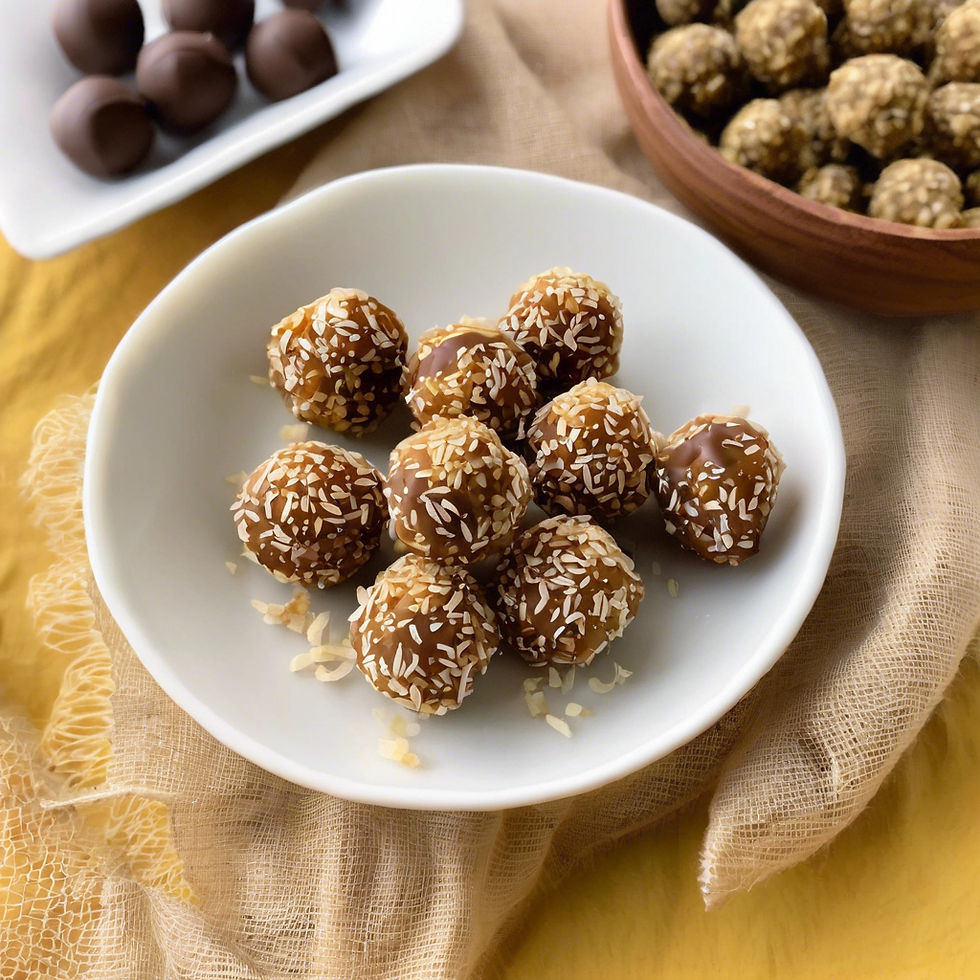
Shatavari Herbal Candies
Ingredients:
1/2 cup nut or seed butter, such as tahini, peanut butter, cashew butter, sunflower butter, etc.
4 teaspoons of sweetener such as honey, rice syrup, or maple syrup.
2 teaspoons chopped dried fruit, such as dates, apricots, or raisins.
2 tablespoons powdered Shatavari.
Toppings to roll herbal balls in, such as coconut flakes, crushed rose petals, crushed nuts, seeds, cocoa powder, cinnamon, cacao nibs, or mini chocolate chips.
Directions:
In a bowl, combine nut or seed butter with sweetener. Blend in chopped dried fruit and powdered herbs until everything is mixed well.
Take a teaspoonful of candy mixture and roll into a ball. Continue until you have about 10-12 herbal balls.
Spread topping on a flat dish and roll each ball into the topping.
Store candy in an air-tight container with lid, and refrigerate for longer shelf-life.
Have a happy and healthy May.


Comments