
Embracing Elder: The Herbal Ally of October for Health and Wellness


Now that we're in Autumn, the days are getting shorter and the colder air is moving in. As much as I love this time of year, I need to think ahead to the cold and flu season and prepare my medicine cabinet for winter. Because of Elder's affinity for the respiratory system, it's our herbal ally for October.
Elder - October's Herbal Ally
Botanical Information
Elder (Sambucus nigra and S. canadensis) is a deciduous, rapidly growing shrub or small tree in the Adoxaceae family, prized for the medicinal properties of its berries and flowers. It is characterized by pinnate leaves, broad clusters of fragrant, creamy-white blossoms, and dark purple to black berries, typically reaching heights of 5–12 feet in moist, nutrient-rich soils.
Elder's History
The elder shrub is native to Europe, Asia, and North Africa, has been revered for thousands of years. It also grows in the United States and Canada. Historically the berries and flowers were valued for their medicinal properties. The ancient Greek physician, Hippocrates, referred to the elder plant as his "medicine chest".
There was some superstition and folklore surrounding the elder plant. For example, in Ireland, they believed fairies lived in the elder tree, which offered protection; but burning elder wood was thought to bring bad luck or death. Also, in the Middle Ages, elder was associated with sorrow and death, partially due to the later-medieval legend that Judas Iscariot hanged himself from a black elder shrub.
Traditionally, the flowers were used to create cordials and wines, and the berries were utilized for making jams and syrups. The wood, known for its hardness, and the stems, with their easily removable soft pith, were commonly crafted into flutes, whistles, popguns, and bellows. Additionally, the plant was used as a source for natural dyes, including those used for Harris Tweed in Scotland.
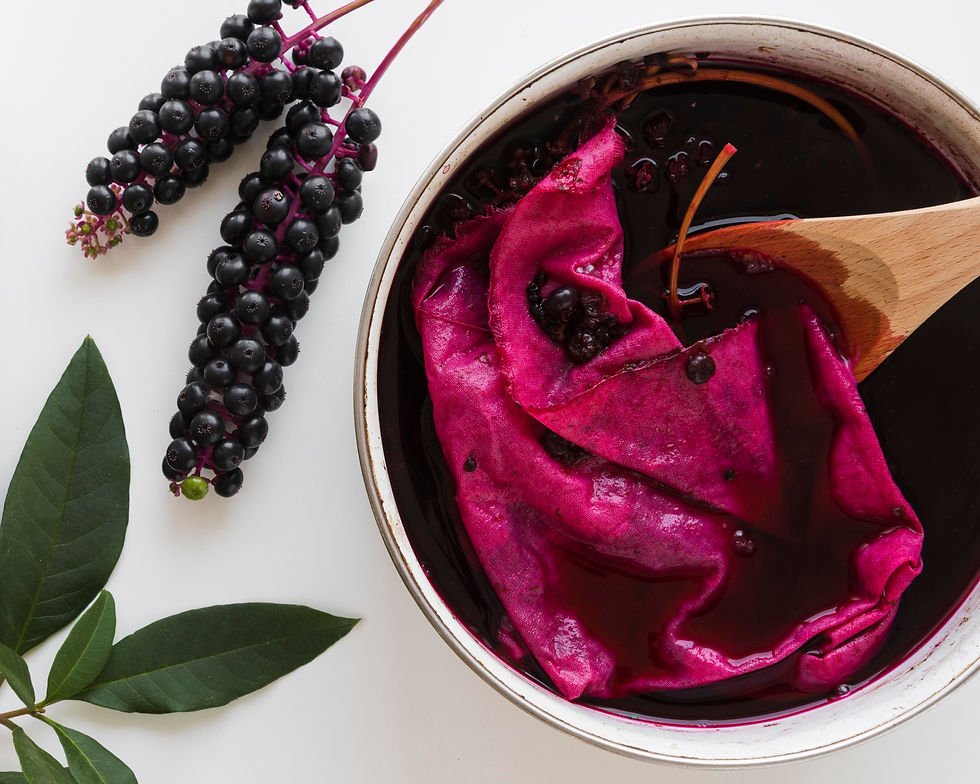
Elder’s Health Benefits - Modern Uses
In the late 20th century, there was a resurgence of interest in gathering flowers for homemade cordials, and today it is widely recognized as a "superfood" with medicinal benefits in modern herbalism.
The Elder's flowers and berries are used. The flower is a diaphoretic, anti-catarrhal, and antispasmodic; and the berries are a diaphoretic, diuretic, laxative and antirheumatic. Elder is used for upper respiratory infections, such as colds and flus. It also has immune-enhancing properties, so it helps with allergies.
Caution: While the flowers and ripe berries are used for food and medicine, the roots, leaves, stems, and unripe berries are toxic, containing cyanogenic glycosides.
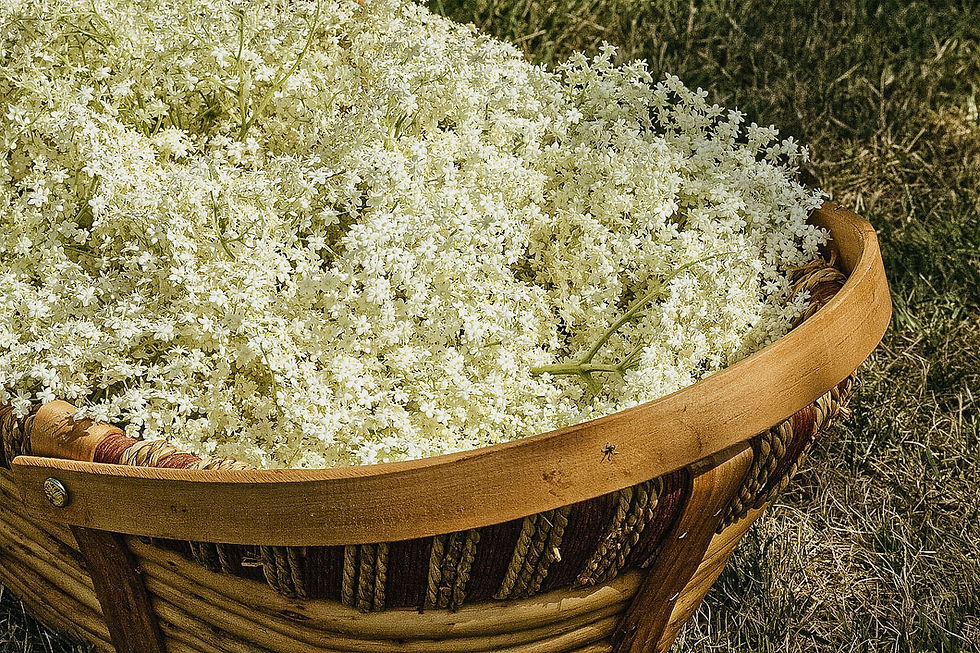
Elder Recipes
Elderberry Syrup
Elderberry Syrup is a wonderful immune booster. Elderberries are anti-inflammatory, antiviral and contain lots of antioxidants. Make a batch now and you'll have it on hand for cold and flu season. Get the recipe here.
Elderflower Tea
Brew a cup of this tea if you have the cold or flu, or other respiratory congestion.
Ingredients:
1 teaspoon Elder Flowers
1 teaspoon Peppermint leaf
1 teaspoon Mullein leaf
Directions:
Add a tablespoon of herbal blend to a mug or put into a tea ball; add a cup of boiling water, cover mug, and let steep for 10-20 minutes. Strain, or remove tea ball; and add sweetener of your choice like honey or stevia.
Final Note
Along with these elderberry products, have a jar of Fire Cider in your pantry, and you'll be set for the winter season, equipped with a natural way to support your health and well-being as the colder months approach.


Comments